

Upcoming Honey Production at Red Wagon Farm
At Red Wagon Farm, the buzz of excitement is palpable as we prepare for our first-ever honey production season. With the arrival of spring, our new bees are gearing up for a busy few months, and we are thrilled to share what this means for our farm and our community. Honey production is not just about harvesting sweet nectar; it’s a vital part of our ecosystem and a rewarding endeavor for all involved.

The Importance of Bees in Agriculture
Bees play a crucial role in pollination, which is essential for the growth of many crops. Without bees, our food supply would be significantly impacted. Here are some key points about the importance of bees:
Pollination Power: Bees are responsible for pollinating approximately one-third of the food we consume. This includes our fruits and vegetables, not to mention the local wild flowers.
Biodiversity Support: By pollinating a variety of plants, bees help maintain biodiversity, which is vital for a healthy ecosystem.
Economic Impact: The agricultural industry relies heavily on bees for crop production, contributing billions to the economy.
At Red Wagon Farm, we recognize the importance of these tiny creatures and strive to create an environment where they can thrive.
Preparing for Honey Production
As we gear up for honey production, several steps are taken to ensure the health and productivity of our bee colonies. Here’s what we focus on:
Hive Management
Proper hive management is essential for a successful honey harvest. This includes:
Regular Inspections: Beekeepers conduct inspections to monitor the health of our bees and the status of the hive.
Pest Control: Keeping pests at bay is crucial. The hives need protection from certain creatures that love honey as much as we do...
Feeding: During early spring, when flowers are scarce, we provide supplemental feeding to ensure our bees have enough energy to start foraging.
Flower Planting
To support our bees, we have a variety of flowers that bloom at different times throughout the season. This ensures a continuous food source for our bees. Some of the flowers we have include:
Wildflowers: These provide a diverse nectar source and attract various pollinators.
Herbs: Plants like lavender and thyme not only benefit bees but also enhance our farm's culinary offerings.
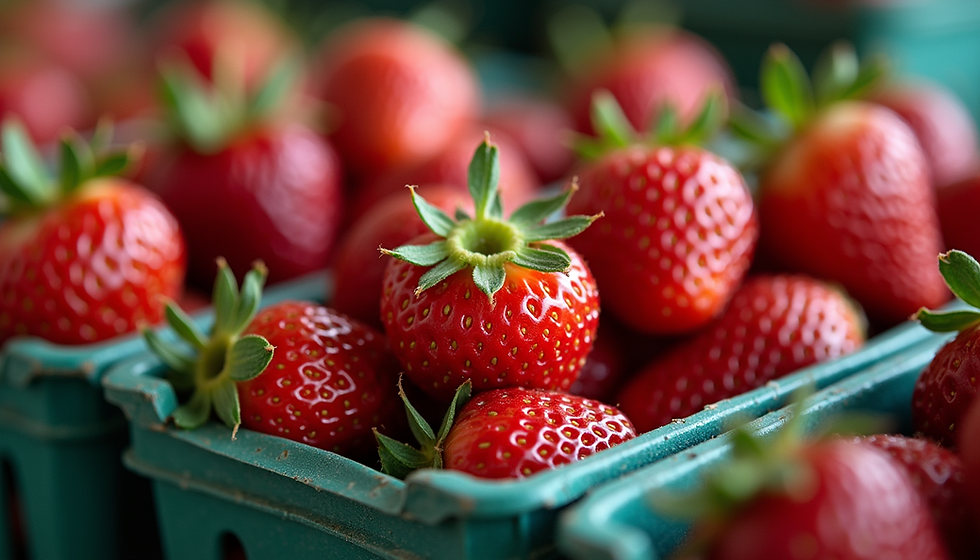
Fruit Trees and Berry Bushes: Apple and pear trees are not only beautiful but also provide essential pollen for our bees. On top of that, our raspberry, blackberry and blueberry bushes provide an abundance of flowers for the bees to visit!
The Honey Harvest Process
Once the bees have collected enough nectar, it's time for the honey harvest. Here’s how we do it:
Timing the Harvest
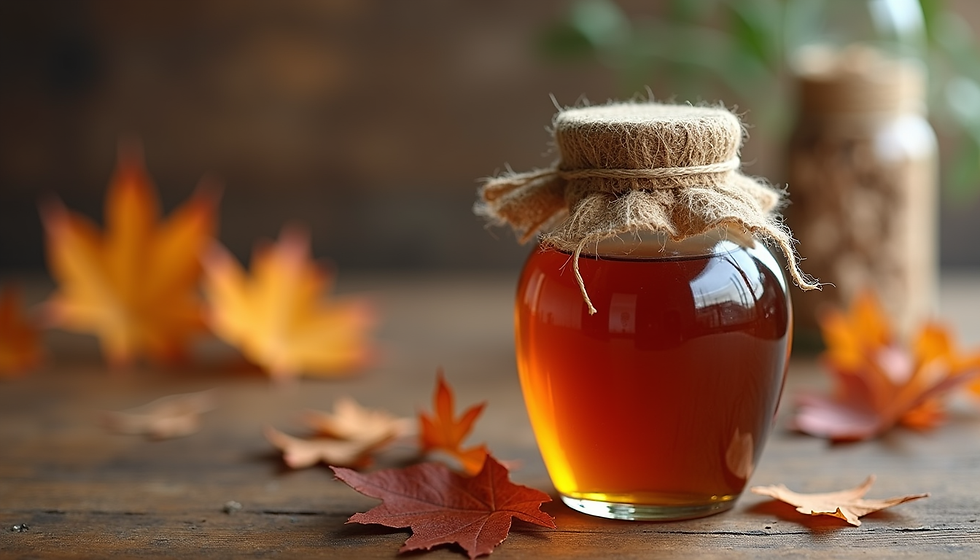
The timing of the harvest is critical. The beekeeper waits until the honey is capped, which means the bees have sealed it with wax, indicating it’s ready for collection. This usually occurs in late summer. Once extracted, the honey is bottled and labeled. We take pride in our artisanal approach, ensuring each jar reflects the quality and care that goes into our production and provides a wonderful supplemental bounty from our fruits and vegetables.
Benefits of Raw Honey
At Red Wagon Farm, we produce raw honey, which retains all the natural enzymes, vitamins, and minerals. Here are some benefits of consuming raw honey:
Nutritional Value: Raw honey is rich in antioxidants and has antibacterial properties.
Natural Sweetener: It serves as a healthier alternative to refined sugars.
Soothing Properties: Raw honey can help soothe sore throats and improve digestion.
Sustainability Practices
Sustainability is at the heart of our operations. We implement several practices to ensure our farm remains eco-friendly:
Natural Farming: We avoid synthetic pesticides and fertilizers, promoting a healthy environment for our bees and other wildlife.
Soil Health: Crop rotation and cover cropping help maintain soil fertility and prevent erosion.
Challenges in Beekeeping
While beekeeping is rewarding, it comes with its challenges. Some of the most common issues we face include:
Pests and Diseases: Varroa mites and other pests can threaten bee colonies. Regular monitoring and treatment are essential.
Weather Conditions: Extreme weather can impact bee activity and nectar flow. We adapt our practices based on seasonal changes.
Public Awareness: Educating the public about the importance of bees is crucial for their conservation. We strive to raise awareness through our community engagement.
Looking Ahead
As we look forward to the upcoming honey production season, we are excited about the possibilities. Our commitment to sustainable practices, community engagement, and bee health will guide us as we produce high-quality honey.
Get Involved
We invite you to join us in our journey.
Visit Us: Come to Red Wagon Farm for a tour.
Purchase Honey: Support local agriculture by buying our honey online or directly from the farm.
Spread the Word: Share your love for bees and honey with friends and family.
Final Thoughts
Honey production at Red Wagon Farm is more than just a seasonal activity; it’s a celebration of nature, community, and sustainability. As we prepare for another fruitful season, we remain dedicated to honey bees and the vital role they play in our ecosystem. Together, we can ensure a thriving environment for these incredible pollinators and enjoy the sweet rewards of their hard work.
Let’s make this honey season the best one yet!

Comments