

Explore Our Delicious Berries and Vegetables This Season
Updated: Mar 28
As the seasons change, so does the bounty of fresh produce available to us. This time of year is particularly exciting for food lovers and health enthusiasts alike, as it brings a vibrant array of berries and vegetables that are not only delicious but also packed with nutrients. In this blog post, we will explore the various types of berries and vegetables that are in season, their health benefits, and some creative ways to incorporate them into your meals.

The Joy of Seasonal Eating
Eating seasonally means enjoying fruits and vegetables at their peak freshness and flavor. This practice not only supports local farmers but also ensures that you are consuming produce that is rich in nutrients. Seasonal eating can lead to a more varied diet, as different fruits and vegetables come into season throughout the year.
Why Choose Seasonal Produce?
Flavor: Seasonal fruits and vegetables are harvested at their peak ripeness, resulting in better taste. Most of the produce at the stores are not sold because they are delicious and nutritious, but instead they can stand the beating they take getting from the fields to the fridge. Modern varieties are prized for shelf life, but not so much for flavor.
Nutritional Value: Fresh produce retains more nutrients when consumed shortly after harvest.
Environmental Impact: Eating locally reduces the carbon footprint associated with transporting food over long distances.
Cost-Effective: Seasonal produce is often more affordable due to its abundance.
Berries to Savor This Season
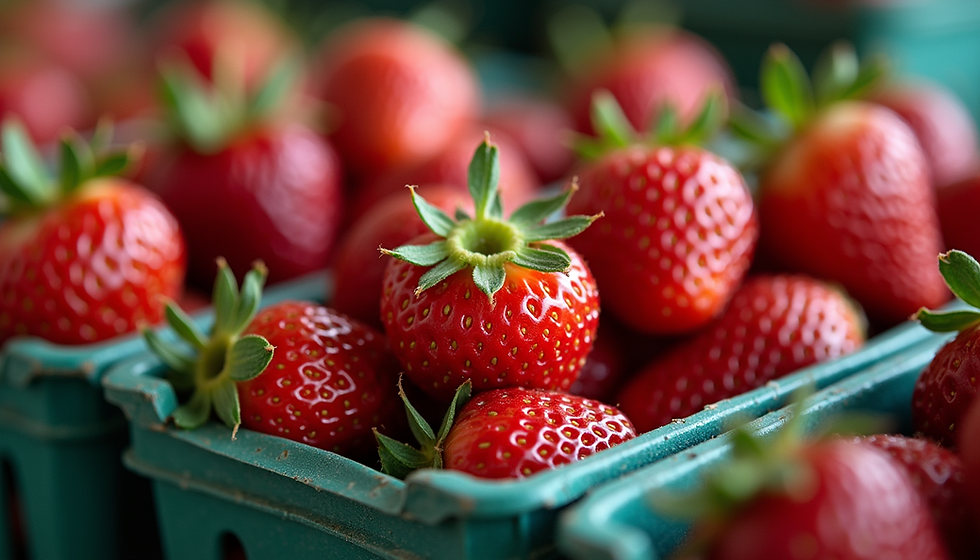
Berries are a delightful addition to any meal, whether enjoyed fresh, in smoothies, or as part of a dessert. Here are some of the most popular berries to look out for this season:
Blueberries
Blueberries are not only delicious but also packed with health benefits. They are known for their high levels of antioxidants, which can help combat oxidative stress in the body. We believe that blueberries might be the healthiest food you can eat, pound for pound.
Ways to Enjoy Blueberries:
Toss them into pancakes or waffles for a fruity breakfast.
Mix them into your favorite muffin recipe.
Enjoy them as a snack on their own or with a sprinkle of nuts.
Raspberries
Raspberries are another berry that shines during this season. They are low in calories but high in fiber, making them a great choice for those looking to maintain a healthy weight. These are our go-to fiber powerhouses, a strange fruit both sweet and delicious yet high in fiber. One cup of raspberries has approximately eight grams of fiber, or about 30% of your daily requirement.
Ways to Enjoy Raspberries:
Use them as a topping for desserts like cheesecake or ice cream.
Incorporate them into sauces for meats or salads.
Blend them into smoothies for a burst of flavor.
Eat them alone by the handful!
Blackberries
Blackberries are a late-summer favorite packed with flavor and nutrition. They’re low in calories and rich in fiber, plus loaded with antioxidants and vitamin C to support overall wellness. Sweet, juicy, and just a little tart, blackberries are perfect for snacking and for adding a bold berry taste to all kinds of recipes. One cup of blackberries also has about eight grams of fiber—around 30% of your daily needs.
Ways to Enjoy Blackberries:
Sprinkle them over yogurt, oatmeal, or cereal.
Bake them into muffins, cobblers, or pies.
Turn them into jam, syrup, or a simple compote.
Enjoy them fresh by the handful!
Vegetables to Delight In
Alongside berries, a variety of vegetables are also in season, offering a range of flavors and textures. Here are some vegetables to consider adding to your meals:
Garlic
Garlic is a flavorful staple that adds depth to just about any dish. It contains beneficial compounds like allicin and provides vitamins C and B6, plus manganese—making it a simple way to boost both taste and nutrition in your cooking.
Ways to Enjoy Garlic:
Roast a whole head with olive oil until soft and spreadable for bread, potatoes, or veggies.
Sauté minced garlic in olive oil or butter as the base for sauces, soups, and stir-fries.
Mix it into marinades, dressings, or herb butter for an easy flavor upgrade.
Rhubarb
Rhubarb is a classic spring crop known for its bright, tart flavor and tender stalks. It’s a good source of vitamins K and C, plus fiber and antioxidants—making it a flavorful way to add something fresh and seasonal to your table.
Ways to Enjoy Rhubarb:
Simmer it with a little sugar and lemon to make a quick compote for yogurt, pancakes, or ice cream.
Bake it into pies, crisps, or muffins (it pairs especially well with strawberries).
Cook it down into a sauce or jam for toast, desserts, or even a tangy glaze for meats.
Creative Recipes Featuring Berries
Now that you know which berries and vegetables are in season, let’s explore some delicious recipes that highlight these ingredients.
Berry Smoothie Bowl
Ingredients:
1 cup of mixed berries (strawberries, blueberries, raspberries)
1 banana
1 cup of spinach
1 cup of almond milk or whole milk, your choice
Toppings: granola, sliced fruits, nuts, ground flax seed, chia seed
Instructions:
Blend the mixed berries, banana, spinach, and almond milk until smooth.
Pour the mixture into a bowl and top with granola, sliced fruits, and nuts.
Enjoy as a nutritious breakfast or snack.
Tips for Storing Berries and Vegetables
To make the most of your seasonal produce, proper storage is essential. Here are some tips to keep your berries and vegetables fresh:
Berries: Store them in the refrigerator in a breathable container. Avoid washing them until you are ready to eat, as moisture can lead to mold.
Tips for Storing Garlic
Garlic keeps best when it can “breathe.” With the right storage, you can keep bulbs firm and flavorful for weeks (and sometimes months) without sprouting or getting soft.
Best Practices for Storing Garlic:
Store whole bulbs in a cool, dry place. A pantry or cupboard away from the stove is ideal.
Use a breathable container. A mesh bag, paper bag, basket, or garlic keeper helps prevent moisture buildup.
Avoid the refrigerator for whole bulbs. Fridge humidity can encourage sprouting and change the texture.
Keep it out of direct sunlight. Light and heat can dry it out or trigger sprouting.
Don’t store garlic in sealed plastic. Trapped moisture can lead to mold.
How to Store Prepped Garlic:
Peeled cloves: Keep in an airtight container in the fridge and use within 5–7 days.
Chopped/minced garlic: Refrigerate in a sealed container and use within 1–2 days for best flavor.
Freeze for longer storage: Freeze peeled cloves whole, or freeze minced garlic in small portions (like an ice cube tray). We peel and mince several pounds of garlic and then pack them tightly into silicone ice cube trays and then freeze them. Once frozen solid, you can pop them out and store in a reusable silicone freezer bag. One tip from us, don't wash the garlic ice cube trays in your dishwasher, or the next 15 loads will smell like garlic. Ask me how i know....
Quick Tip: If a clove starts to sprout, it’s still usable—just remove the green sprout if you find the flavor too sharp or bitter.
Conclusion
This season offers a wonderful opportunity to explore the delicious world of berries. By choosing seasonal produce, you not only enhance your meals with fresh flavors but also support local agriculture and promote a healthier lifestyle. So, head to your local farmers' market or grocery store, and fill your basket with these vibrant ingredients. Enjoy the bounty of the season and let your creativity shine in the kitchen!

Comments